
In today’s world, where environmental sustainability is increasingly essential, small businesses can play an important role in conserving resources while benefiting their bottom line. By executing cost-effective resource conservation strategies, these enterprises can reduce waste, save money, and contribute to a greener planet. Here, we explore some practical approaches that affordable conservation measures for small businesses can adopt to promote resource conservation without breaking the bank.
Water Conservation:
Water is another valuable resource that small businesses can conserve. Fixing leaks, installing low-flow faucets and toilets, and using water-saving appliances can drive substantial reductions in water usage and costs. Additionally, consider capturing rainwater for outdoor use or irrigation, which can further reduce water expenses.
Waste Reduction and Recycling:
Implementing a waste reduction and recycling program is environmentally responsible and can save money on waste disposal fees. Encourage employees to recycle paper, cardboard, plastics, and other recyclables. Set up labeled recycling bins throughout the workplace to make recycling easy and accessible. Additionally, minimize paper usage by switching to digital documentation and communication whenever possible.
Energy Efficiency Measures:
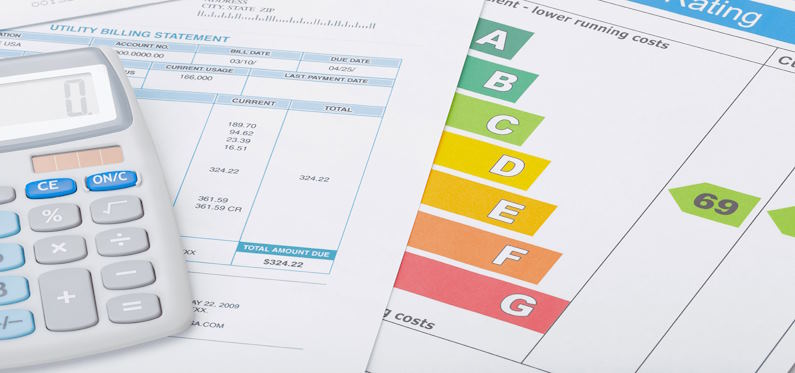
Energy consumption is a significant operating cost for most businesses. Implement sustainable practices for small business sustainability. Start by conducting an energy audit to identify areas where energy gets wasted. Replace old, inefficient lighting with LED bulbs, install programmable thermostats, and seal any gaps or leaks in the building’s insulation. These simple steps can significantly reduce electricity bills and conserve energy resources.
Remote Work and Telecommuting:
The rise of remote work and telecommuting presents an opportunity for small businesses to reduce resource consumption. By allowing employees to work from home part-time or full-time, businesses can save on office space, energy costs, and commuting-related expenses. It not only conserves resources but also enhances employee satisfaction and work-life balance.
Sustainable Transportation:
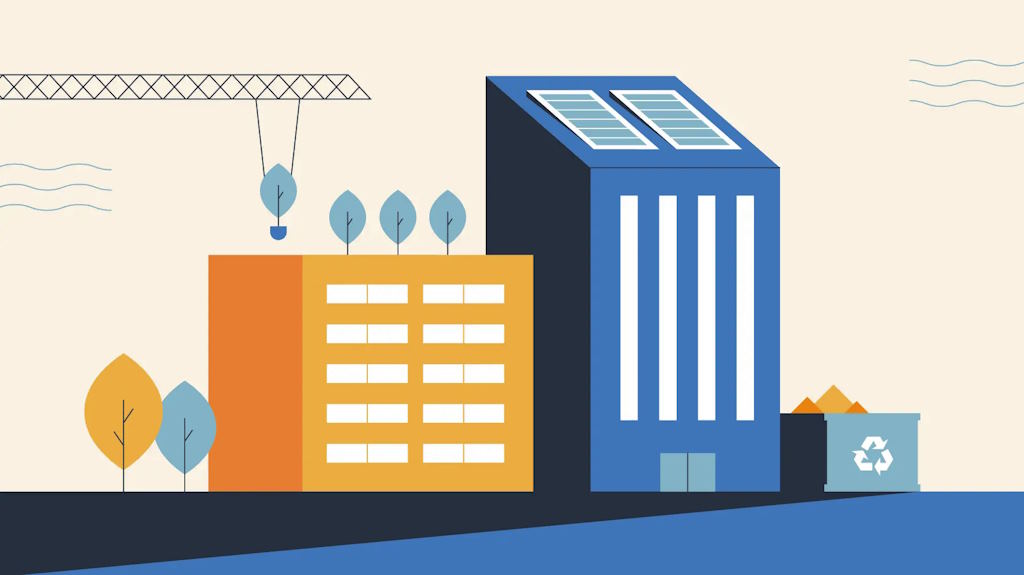
If your business relies on transportation, consider adopting sustainable transportation practices. Use fuel-efficient vehicles or explore options for electric or hybrid vehicles if feasible. Encourage employees to carpool, bike, walk, or use public transportation to reduce the environmental impact of their commutes. Offering incentives for eco-friendly solutions for small business resource management can motivate employees to make greener choices.
Go Digital:
Embracing digital technology can significantly reduce resource consumption. Instead of printing documents, store and share files electronically. Use cloud-based software and virtual meetings to minimize the need for physical infrastructure and travel. Going digital conserves paper and reduces the energy and materials required for printing and physical storage.
